


As the end of the year approaches, Asia Express looks at some of the most important Bitcoin and cryptocurrency developments in the region in 2025.
Bitcoin Treasuries Face Setback in Asia
The rise of Bitcoin treasuries was a major development in Asia in 2024, after Japan-based Metaplanet adopted the scheme popularized by Michael Saylor’s strategy.
In 2025, the model received an official label with companies now known as digital asset treasury companies, or DATs. But for many DATs, embracing Bitcoin was really just a last-ditch effort to revive moribund stock prices. Many had nothing to do with cryptocurrencies before becoming pivots, and DAT announcements often led to short-term spikes in stocks before prices returned to normal.
Japan was the hotspot in Asia, with at least 13 publicly listed DAT companies holding Bitcoin on their balance sheets. The rapid growth has caught the attention of the Japan Exchange Group, which is reportedly considering tightening oversight of Bitcoin treasury strategies, including concerns over backlists.
Hong Kong-based DATs are also starting to emerge. Meme culture pioneer 9GAG has taken a stake in Hong Kong-listed Howkingtech International Holdings, with plans to rebrand the company as “MemeStrategy” and add Bitcoin and other cryptocurrency assets to its balance sheet.
The Hong Kong Stock Exchange took notice of this as well. Local media reported that regulators have begun to assess the risks associated with DAT structures, reflecting growing caution about listed companies using cryptocurrency holdings as market narratives.
Stablecoins have turned into a geopolitical battleground
Stablecoins have become a blockchain use case attracting regulatory attention across Asia after US President Donald Trump signed the Guiding and Establishing National Innovation for US Stablecoins (GENIUS) Act into law in July.
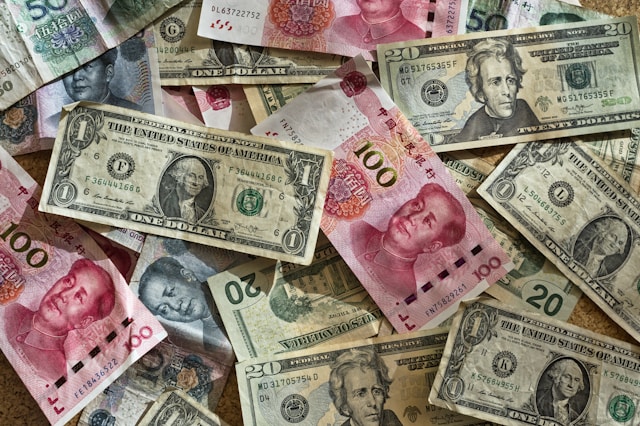
The tension was evident in China, where basic cryptocurrency activities such as mining and trading remain banned. While stablecoins are increasingly seen as a key component of the future payments landscape, Beijing has been promoting its own central bank digital currency.
For much of the year, industry players have speculated that the rise of stablecoins may be too big for even China to ignore. The thinking was that increasing global adoption might force Beijing to moderate its long-standing hostility toward cryptocurrencies.
This speculation intensified with the emergence of major media outlets I mentioned China is considering issuing its own yuan-backed stablecoin, while local e-commerce giants are said to be pressuring the People’s Bank of China (PBOC) to give the green light to yuan-linked tokens in Hong Kong. Academics have also warned that stablecoins reinforce the dominance of the US dollar and pose a threat to China’s monetary sovereignty.
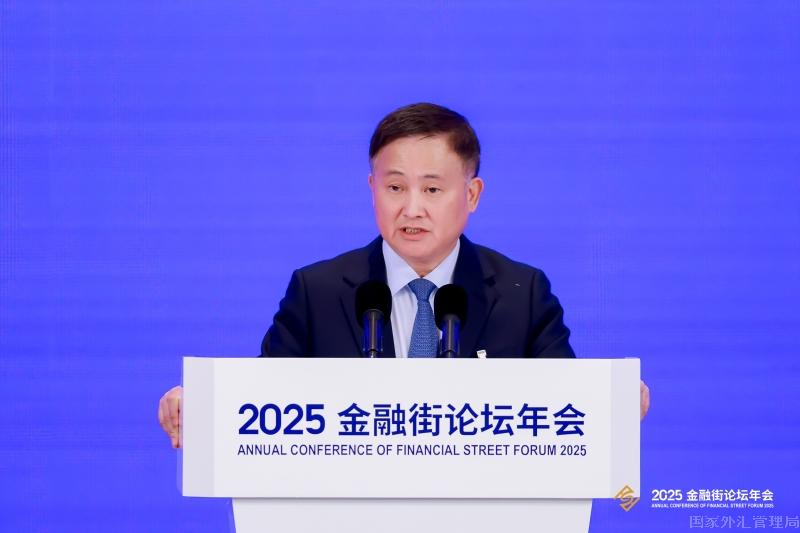
In late October, the People’s Bank of China put an end to stablecoin rumors. Governor Pan Gongsheng said no policy change had been made, and criticized stablecoins as tools that fail to meet basic anti-money laundering requirements.
Hong Kong is often described as the financial gateway to the mainland. Its business-friendly tax regime and tailored financial access schemes have long allowed global capital to engage with Chinese markets in controlled ways. In terms of cryptocurrencies, the city has positioned itself as a regulating hub for digital asset companies, passing a stablecoin law, which came into effect in August. Many companies have applied for a license, but Hong Kong regulators He said Only a handful of applicants will receive approvals.
Despite Hong Kong stealing headlines with its stablecoin framework, Japan has become the first major economy in the region to actually launch a regulated stablecoin. Amendments to Japan’s Payment Services Law that took effect in 2023 laid the groundwork for a yen-linked stablecoin to enter the market in October, and the first bank-backed stablecoin is expected to be available by mid-2026.
Read also
Features
6 reasons why Jack Dorsey is definitely Satoshi… and 5 reasons why he isn’t
Columns
Helping Ukraine Without Donating: Laura’s DeFi Hacking Plan
Governments are hitting the reset button on encryption policy
Government attitudes toward cryptocurrencies across Asia will change in 2025, shaped in part by political and regulatory developments in the United States.
In South Korea, former President Yoon Suk-yeol was expected to remain in office until May 2027, but his term ended early after a failed attempt to implement martial law in late 2024 led to impeachment proceedings, culminating in his removal in April 2025. A snap election followed, bringing crypto-friendly President Lee Jae-myung into office.
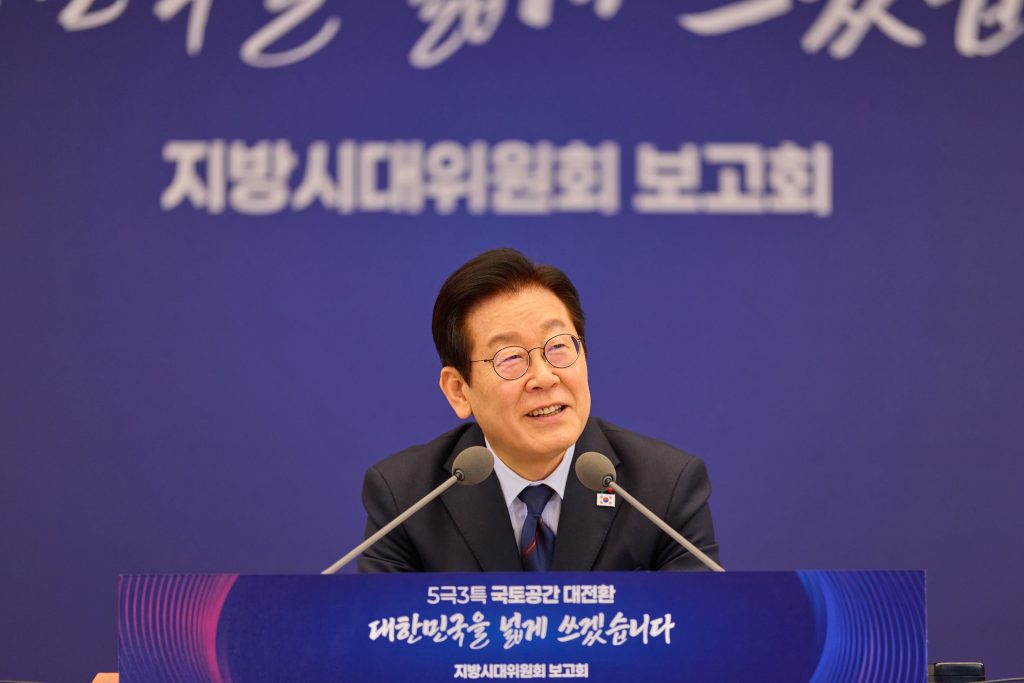
While a more supportive stance toward digital assets was widely expected regardless of the election outcome, Lee’s win helped reset the political tone around cryptocurrencies. His administration has signaled renewed momentum on long-awaited regulatory discussions, including proposals related to stablecoins.
South Korea’s financial regulator was supposed to submit draft legislation on December 10, but missed the deadline. Lawmakers have since pressed the Financial Services Commission to bring forward a proposal by the end of the year, warning that Parliament would present its own framework in January if regulators fail to act.
Elsewhere in Asia, governments have pursued blockchain adoption more selectively. The Philippines has introduced legislation encouraging the use of blockchain technology as an anti-corruption tool, framing it as public sector infrastructure rather than a vehicle for financial speculation.
Not all jurisdictions have moved in a lenient direction. Singapore, which crypto companies have long viewed as a stable and predictable base of operations, has moved to close regulatory loopholes. Many companies from Singapore operated without a license by excluding local users, assuming that this structure would protect them from regulatory oversight. In 2025, the authorities made it clear that such arrangements would no longer be tolerated, and warned companies to obtain a license or exit.
Read also
Features
How the cryptocurrency workforce has changed in light of the pandemic
Features
The Bitcoin ledger as a secret weapon in the war against ransomware
The Memecoins craze recycles celebrity nostalgia and pop culture
The memecoin craze on Solana extended into the first half of 2025 and spread to other networks, including BNB Chain. This trend has also revived familiar rules of play. Across Asia, legacy pop culture figures and global celebrities have resurfaced through the launch of tokens, often marketed toward outside investors.

One of the most prominent examples of this is Japanese video star and pop singer Yua Mikami, who launched Solana-based token Memocoin that raised millions of dollars in pre-sale funding despite questions about its structure and governance. The project’s disclaimer prohibits Japanese residents but no technical restrictions have been placed. Blockchain analysts have pointed to promotional activity targeting Chinese-speaking communities and claim that rights to the project have been acquired by entities linked to China.
In March, Chinese social media spread rumors of a Shenzhen-based “celebrity memcoin factory” after a symbol linked to Brazilian soccer legend Ronaldinho briefly rose before collapsing. Unconfirmed rumors claimed that organized teams were systematically releasing and promoting symbols associated with celebrities, raising concerns about industrial pump-and-dump operations operating on a large scale.
Nostalgia-driven speculation has also resurfaced in a different form. Avatar representations of Pokemon trading cards have gained traction across blockchains, reflecting the enduring appeal of the Japanese gaming and anime franchise. In 2025, random digital products similar to vending machines have become a recurring trend, allowing users to draw digital versions of rare Pokémon cards and expanding speculation on collectibles in series markets.
Subscribe
The most engaging reads on blockchain. It is delivered once a week.


Johan Yuen
Johan Yuen is a multimedia journalist covering blockchain technology since 2017. He has contributed to crypto media outlet Forkast as an editor and has covered Asian technology stories as an associate correspondent for Bloomberg BNA and Forbes. He spends his free time cooking and trying new recipes.